

Blank walls can make even beautifully designed rooms feel incomplete. The right wall art adds personality, balance, colour, and visual interest while helping a space feel more inviting and lived in. From gallery walls and mirrors to textured decor and floating shelves, thoughtful styling choices can completely transform a room without requiring a major renovation or large budget.
Wall art has always played an important role in interior design because it helps transform plain spaces into rooms that feel personal, welcoming, and visually balanced. A carefully chosen piece of artwork can change the mood of a room, add warmth, introduce colour, or create a strong focal point without requiring a full renovation. The beauty of wall decor is its flexibility. Whether someone prefers minimalist interiors, modern styling, rustic charm, or eclectic spaces, wall art can adapt to almost any design preference. From framed prints and canvas paintings to mirrors, floating shelves, woven textures, and gallery walls, the possibilities are endless.
Why Wall Art Matters in Interior Design
Walls often take up the largest visual area in a room, which means leaving them completely bare can make interiors feel unfinished or lacking personality. Decorative wall elements create visual structure and help guide the eye throughout the space.
Well-placed artwork can:
- Add warmth and personality
- Introduce texture and colour
- Create focal points
- Make small spaces feel larger
Wall decor also allows homeowners to refresh interiors without major expense. Changing artwork, rearranging frames, or adding new decorative pieces can instantly update a room’s appearance.
Choosing Wall Art That Fits Your Space
One of the most common decorating mistakes is choosing art that does not suit the scale, style, or colour palette of the room. The best wall decor feels connected to the surrounding furniture and overall design.
Consider the Room’s Purpose
Different rooms benefit from different types of artwork and decorative styles.
- Living rooms often suit statement pieces or gallery walls
- Bedrooms benefit from calming and softer visuals
- Dining areas work well with elegant or conversation-starting art
- Home offices often suit motivational or structured designs
The mood of the room should guide the artwork selection.
Pay Attention to Scale
Size matters when decorating walls. Small artwork on a large empty wall can feel disconnected, while oversized pieces may overwhelm smaller rooms.
A useful guideline is to choose wall art that covers around two-thirds of the furniture width beneath it. For example, artwork above a sofa should generally span a significant portion of the sofa’s length without extending beyond it.
Large-scale pieces work particularly well in:
- Open-plan living areas
- Entryways
- Dining rooms
- Spaces with high ceilings
Smaller pieces often work best when grouped together.
Match Colours Thoughtfully
Wall art ideas do not need to perfectly match a room’s colour palette, but they should complement the overall scheme.
Good options include:
- Pulling accent colours from cushions or rugs
- Using neutral artwork in bold interiors
- Adding colourful pieces to minimalist spaces
- Mixing warm and cool tones carefully
Repeating colours throughout the room helps interiors feel cohesive rather than random.
Gallery Walls: A Timeless Decorating Approach
Gallery walls remain one of the most popular wall decor ideas because they allow for creativity and flexibility. They can include artwork, photography, typography, mirrors, and decorative objects arranged together in a visually balanced layout.
How to Build a Balanced Gallery Wall
Successful gallery walls usually follow a clear visual structure.
Helpful tips include:
- Choose a consistent colour palette
- Keep frame styles coordinated
- Mix different sizes for variety
- Maintain even spacing between pieces
Laying frames on the floor first can help visualise the arrangement before hanging anything.
Mixing Art Styles Successfully
A gallery wall does not need identical artwork to look cohesive. Mixing styles often creates more personality and visual depth.
Popular combinations include:
- Photography with abstract art
- Vintage prints with modern frames
- Typography with illustrations
- Black-and-white images with textured pieces
The key is maintaining some form of consistency through colour, framing, or spacing.
Mirrors as Functional Wall Decor
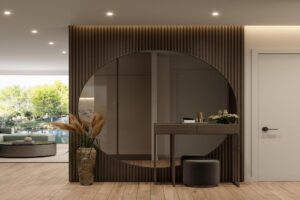
Mirrors serve both decorative and practical purposes. They reflect light, create the illusion of more space, and add elegance to interiors.
Large mirrors can make compact rooms feel more open, while decorative framed mirrors can act as statement pieces.
Best Places to Use Mirrors
Mirrors work particularly well:
- Opposite windows to reflect natural light
- In narrow hallways
- Above fireplaces
- In dining rooms
Framed mirrors in wood, metal, or black finishes can also reinforce specific design styles such as rustic, industrial, or contemporary interiors.
Floating Shelves for Decorative Flexibility
Floating shelves combine storage and wall decor in a practical way. They allow homeowners to rotate decorative items without changing the wall structure itself.
Popular shelf styling elements include:
- Small framed artwork
- Candles
- Indoor plants
- Books
Layering objects at different heights creates a more natural and visually appealing arrangement.
Avoid Overcrowding
One of the biggest shelf styling mistakes is adding too many decorative items. Empty space is important because it allows key pieces to stand out.
A balanced arrangement often feels cleaner, calmer, and more intentional.
Textured Wall Decor and Dimensional Design
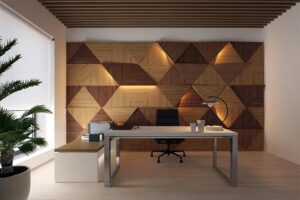
Flat artwork is not the only option for decorating walls. Textured and three-dimensional decor has become increasingly popular because it adds depth and softness to interiors.
Examples include:
- Woven wall hangings
- Wooden panels
- Metal sculptures
- Fabric installations
These styles work particularly well in neutral interiors where texture becomes a major design feature.
Wall Art Ideas for Different Interior Styles
Different decorating styles often pair best with certain wall decor approaches.
Modern Interiors
Modern spaces usually benefit from:
- Abstract artwork
- Large statement pieces
- Minimal framing
- Neutral colour palettes
Clean lines and simplicity help maintain a contemporary appearance.
Rustic and Farmhouse Spaces
Rustic interiors often feature:
- Wooden frames
- Vintage-inspired prints
- Botanical artwork
- Antique mirrors
Warm colours and distressed finishes create a comfortable atmosphere.
Minimalist Homes
Minimalist wall decor focuses on simplicity and intentional placement.
Popular choices include:
- Black-and-white photography
- Simple line art
- Monochrome palettes
- One oversized statement piece
Minimal interiors rely heavily on balance and negative space.
Eclectic Interiors
Eclectic spaces allow for greater creativity and layering.
These rooms often combine:
- Mixed art styles
- Bright colours
- Vintage and modern pieces
- Unusual decorative objects
The challenge is creating cohesion without making the room feel cluttered.
Conclusion
Wall art remains one of the simplest and most effective ways to enhance interior spaces. It introduces personality, adds visual depth, and helps rooms feel more complete without requiring major changes.
From gallery walls and mirrors to floating shelves and textured decor, there are countless ways to style walls creatively while maintaining balance and functionality. The most successful spaces combine aesthetics with personal expression, allowing homes to feel both stylish and lived-in.
By understanding scale, placement, colour coordination, and overall room style, homeowners can create interiors that feel visually engaging, welcoming, and timeless.