

Home decor is about more than making a space look attractive. It helps create a home that feels comfortable, functional, and personal. Even small changes such as better lighting, layered textures, indoor plants, or rearranged furniture can completely refresh a room without major renovations.
Thoughtful interior styling also helps bring balance, warmth, and personality into everyday spaces. With the right design choices, any home can feel more welcoming, organised, and visually cohesive.
Start with a Clear Vision for the Space
Before buying new decor items, it helps to understand how the room should feel and function. One of the best home decor ideas is to first define the overall atmosphere you want to create. Some people want a calm and minimalist environment, while others prefer warmth, colour, and personality.
A simple way to create direction is by identifying three words that describe the atmosphere you want. For example:
- Calm, natural, and airy
- Modern, clean, and functional
- Cosy, layered, and welcoming
These themes help guide decisions around furniture, colours, textures, and decorative details. Without a clear direction, rooms can quickly begin to feel cluttered or visually inconsistent.
Rearrange Furniture Before Buying Anything New
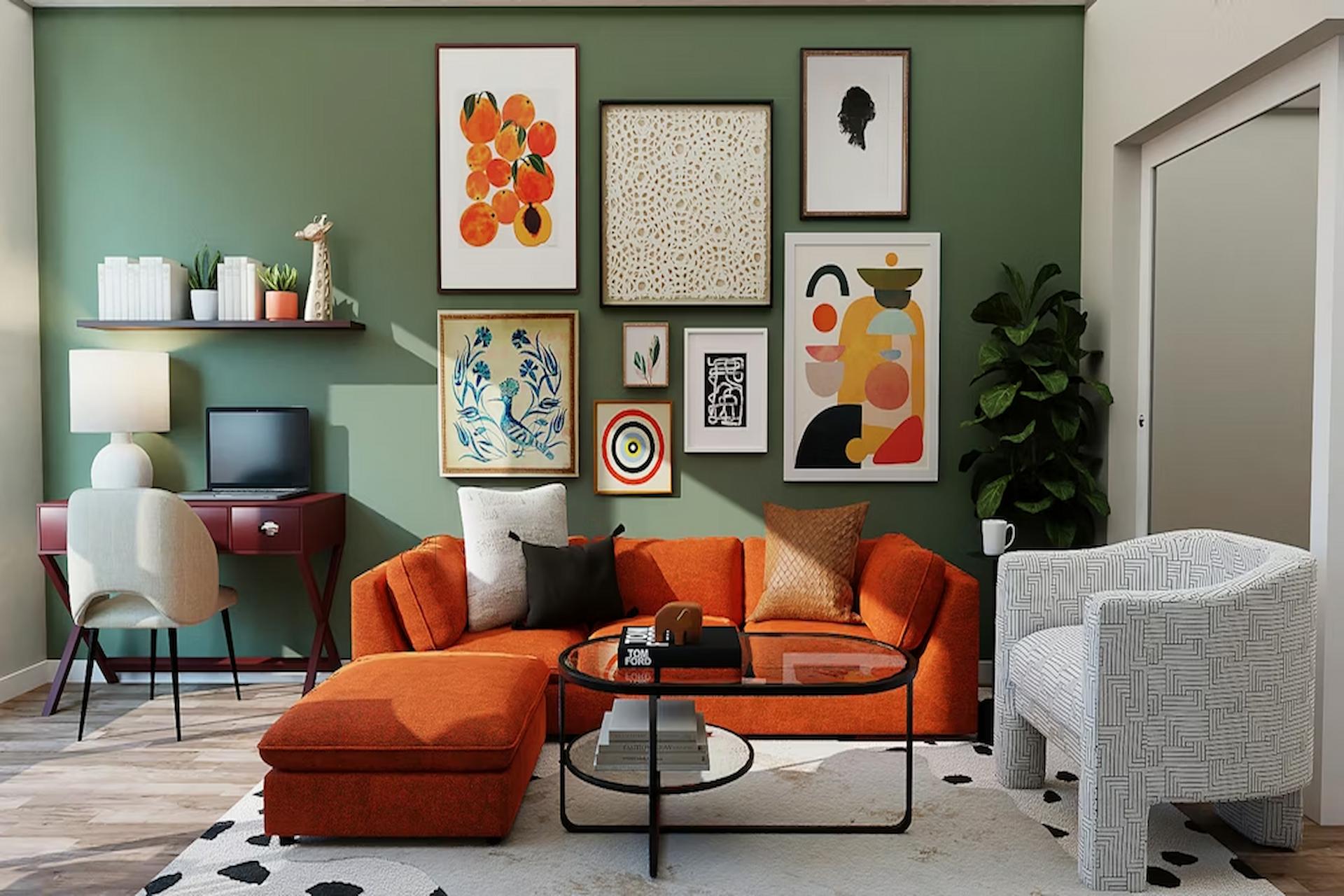
One of the easiest and most overlooked decorating techniques is rearranging existing furniture. Changing the layout can instantly improve movement, balance, and functionality.
Small adjustments often make a surprising difference:
- Move furniture away from walls to create better flow
- Position seating closer together for conversation
- Angle chairs differently to soften rigid layouts
- Open pathways to make rooms feel larger
A room that feels awkward or crowded may simply need a better arrangement rather than more furniture.
Use Lighting to Change the Mood
Lighting strongly influences how a home feels. Bright overhead lighting alone can make interiors feel flat or harsh, while layered lighting creates warmth and depth.
A balanced room often combines multiple light sources:
- Floor lamps for soft ambient lighting
- Table lamps for comfort and atmosphere
- Wall sconces for subtle accent lighting
- Warm bulbs for a more inviting appearance
Natural light also plays an important role. Lightweight curtains, mirrors, and reflective surfaces help brighten spaces while making rooms feel larger and more open.
Layer Textures for More Depth and Comfort
Rooms often feel incomplete when every surface looks too similar. Texture creates visual interest and makes interiors feel more comfortable and balanced.
Simple ways to layer texture include:
- Linen cushions on leather sofas
- Woven baskets beside wooden furniture
- Soft rugs paired with smooth flooring
- Velvet or knitted throws for added warmth
Texture works especially well in neutral spaces because it prevents rooms from feeling flat without overwhelming the design.
Bring Nature Indoors with Plants
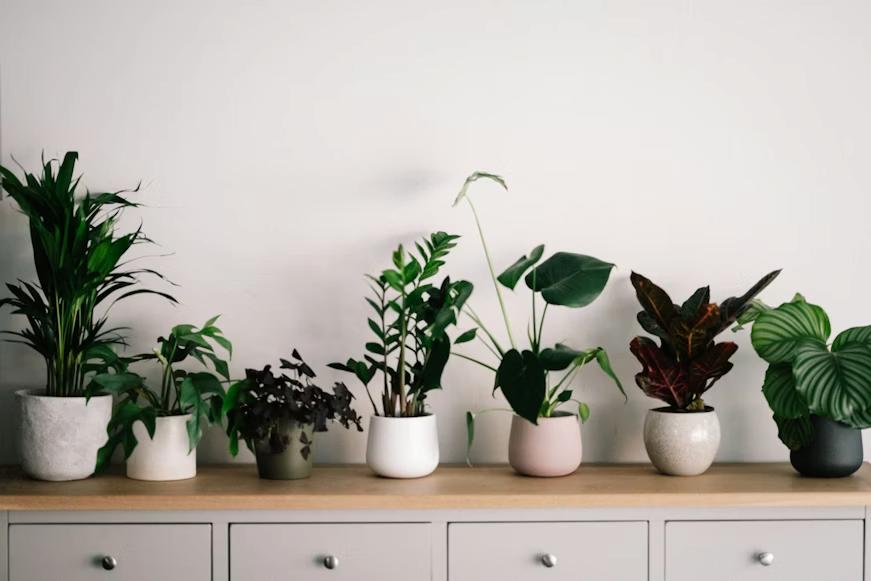
Indoor plants continue to remain one of the most effective decor additions because they instantly make spaces feel fresher and more alive.
Plants help soften hard lines, add colour naturally, and improve the overall atmosphere of a room. They also work well in nearly every decorating style, from minimalist interiors to more traditional homes.
Popular low-maintenance options include:
- Snake plants
- Pothos
- ZZ plants
- Peace lilies
- Rubber plants
Even a few small plants on shelves, coffee tables, or windowsills can noticeably refresh a space.
Create a More Personal Interior
A beautifully decorated home should still feel personal rather than staged. The most memorable interiors usually include meaningful details that reflect the people living there.
Personal decor ideas may include:
- Framed travel photographs
- Books with visual character
- Handmade ceramics or artwork
- Vintage pieces with history
- Family heirlooms or collected objects
These elements create individuality and prevent homes from feeling generic or overly trend-focused.
Interior Styling Tips: Creating Balanced and Cohesive Spaces with Confidence
Interior styling is often what separates a room that simply looks furnished from one that feels complete and intentional. Good styling creates balance, flow, and visual harmony without making spaces feel overcrowded.
The goal is not perfection. Instead, effective styling focuses on creating spaces that feel comfortable, functional, and visually connected.
Use Colour to Create Flow
Colour plays a major role in how interiors feel connected. Rooms do not need to match perfectly, but they should relate visually through repeated tones and complementary shades.
A practical approach is choosing two or three main colours and using them consistently throughout the room in different ways. This creates continuity while still allowing variety.
Warm neutrals often create comfort and softness, earthy greens introduce calmness, and darker accents such as black or charcoal help add contrast and structure. Texture also changes how colour appears, which is why combining materials like linen, wood, glass, and metal adds depth even within a simple palette.
Focus on Balance Instead of Symmetry
Perfect symmetry can sometimes make rooms feel stiff or overly formal. Balanced styling feels more natural because it considers visual weight rather than exact matching.
For example, a large sofa may feel balanced by two smaller chairs opposite it. Similarly, a bold artwork on one side of a room can be balanced by a floor lamp or tall plant elsewhere.
This approach creates interiors that feel relaxed while still appearing organised and intentional.
Avoid Overcrowding Surfaces
One common styling mistake is displaying too many decorative objects at once. Crowded shelves, tables, and countertops often make rooms feel chaotic rather than stylish.
Instead, leave some open space around decorative items. This helps important pieces stand out while making interiors feel calmer and more refined.
A simple styling formula often works best:
- Combine varying heights
- Mix different materials
- Use odd-number groupings
- Leave breathing room between objects
Thoughtful restraint usually creates a more sophisticated result than excessive decoration.
Add Decorative Layers Gradually
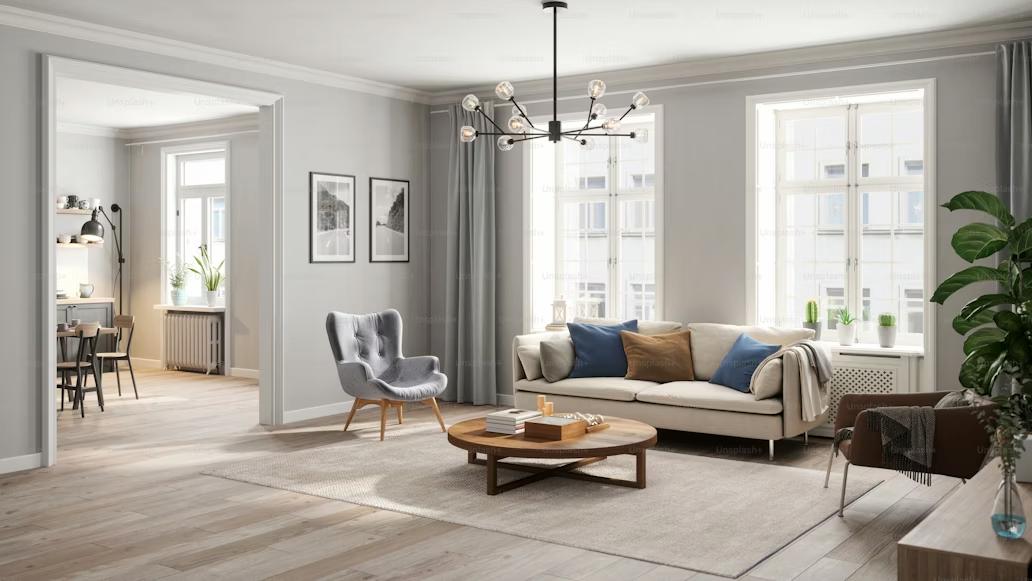
Well-styled interiors rarely come together instantly. The most comfortable homes often evolve slowly over time through collected pieces and gradual adjustments.
Instead of trying to finish every room immediately, focus on adding layers step by step:
- Start with foundational furniture
- Introduce lighting and textiles
- Add artwork and decorative accents
- Refine details over time
This creates a more authentic and lived-in appearance while helping homeowners avoid costly impulse purchases.
Make Comfort Part of the Design
Beautiful interiors should still support daily life. Stylish spaces become much more successful when they also feel practical and comfortable.
Soft seating, functional storage, proper lighting, and durable materials all contribute to interiors that are easier to enjoy long-term. Decor should enhance how a home functions rather than create unnecessary maintenance or inconvenience.
Key Takeaways
- Small decor changes can dramatically improve a room
- Lighting plays a major role in atmosphere and comfort
- Texture adds depth and visual warmth
- Plants help interiors feel fresher and more inviting
- Personal details create more meaningful spaces
- Balanced styling feels more natural than perfect symmetry
- Functional comfort should always guide design choices
FAQs
How can I refresh my home without spending a lot of money?
Rearranging furniture, improving lighting, adding cushions, introducing plants, and decluttering surfaces can refresh a home affordably while creating noticeable visual improvements.
What colours make a room feel more relaxing?
Soft neutrals, earthy greens, muted blues, and warm beige tones often create calm and relaxing interiors while maintaining a timeless appearance.
How do I make a small room look bigger?
Use lighter colours, mirrors, layered lighting, and multi-functional furniture while keeping pathways open to create a more spacious appearance.
Why is texture important in interior design?
Texture adds visual depth and warmth, helping rooms feel more balanced, layered, and comfortable without relying heavily on bold colours or excessive decor.
What are the easiest ways to personalise a home?
Artwork, books, travel souvenirs, family photographs, and meaningful decorative pieces help create interiors that feel unique and connected to personal experiences.
Conclusion
Refreshing a home does not require dramatic renovations or expensive redesigns. Small updates such as improving lighting, rearranging furniture, layering textures, and adding personal touches can completely transform how a space feels.
The most successful interiors balance beauty with functionality. They reflect personality, support everyday living, and create environments that feel comfortable, welcoming, and visually cohesive.
Home decor and interior styling remain timeless because they help people create spaces that genuinely improve daily life. With thoughtful choices and gradual updates, almost any home can feel more polished, personal, and enjoyable.