
Want your vehicle to keep that showroom shine? Discover expert car paint protection tips, including proper washing, waxing, scratch repair, and smart parking habits. Learn how to prevent fading, chips, swirl marks, and environmental damage while preserving gloss and resale value. These simple maintenance steps help keep your car’s paint looking brand-new for years, with less effort and lower repair costs.
How to Keep Your Car Paint Looking Brand New
A fresh paint finish can completely transform a vehicle. It adds shine, boosts resale value, and gives your car that clean, cared-for look. But paintwork is constantly exposed to sunlight, rain, dust, road grime, bird droppings, and scratches. Without proper care, even a premium finish can start to fade, dull, or chip far sooner than expected.
The good news is this: with the right maintenance habits, you can keep your car paint looking glossy and newer for years. Here’s how to protect that showroom shine and avoid expensive repairs later.
Start With a Strong Foundation
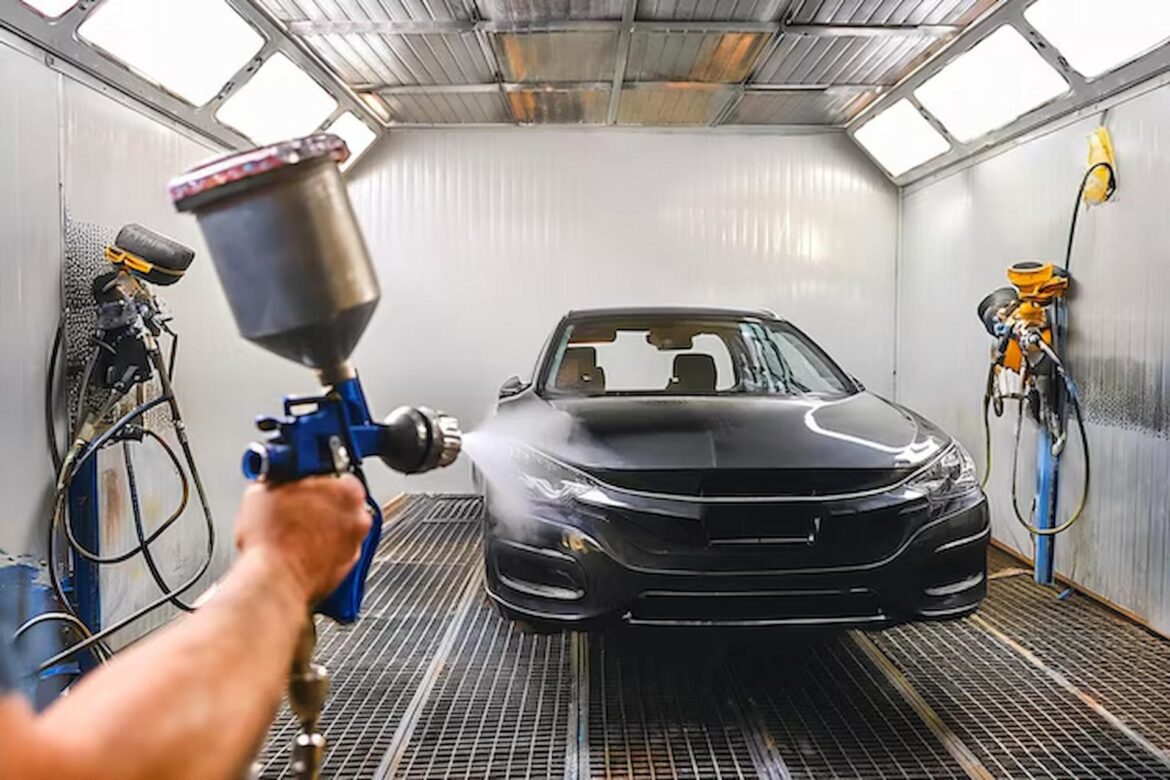
Long-lasting paint protection begins before the final coat is even applied. If your vehicle is being repainted or repaired, surface preparation matters just as much as the color itself.
Proper prep work usually includes:
- Sanding away rust, peeling paint, and imperfections
- Smoothing dents or uneven areas
- Cleaning the surface thoroughly
- Applying a high-quality primer in multiple layers
Primer helps paint bond correctly to the metal and creates a smooth surface for the topcoat. When this stage is rushed, peeling, bubbling, and cracking become much more likely later on.
If you’re paying for a repaint, choose a reputable body shop that prioritizes preparation, not just spraying color.
Use Wax for Long-Term Protection
Once the paint has fully cured, waxing is one of the best ways to preserve it.
A quality wax creates a protective barrier that helps defend against:
- UV rays from the sun
- Acid rain
- Bird droppings
- Tree sap
- Road salt
- Dust and grime
Wax also fills tiny surface imperfections, which improves reflection and gives your paint that deep, glossy finish.
How Often Should You Wax?
For most vehicles:
- Every 3 to 4 months is ideal
- More often if the car stays outdoors year-round
- Less often if it is garaged and regularly maintained
You can also consider paint sealants or ceramic coatings for longer-lasting protection.
Park Smart Whenever Possible
Where you park has a direct impact on your paint condition.
Best Parking Options
- Garage
- Covered carport
- Shaded structure away from trees
What to Avoid
- Direct sunlight for long hours
- Parking under trees with sap
- Areas with heavy bird activity
- Damp spaces where moisture lingers
Constant sun exposure can oxidize paint and fade color. Bird droppings and sap can stain or etch the clear coat surprisingly fast.
If outdoor parking is unavoidable, invest in a breathable car cover for extended periods of inactivity.
Wash Your Car Regularly
Dirt and contamination do more damage than many people realize. Dust, road salt, and grime can slowly wear down the clear coat if left sitting too long.
Ideal Routine
Wash your car once a week or at least every two weeks.
Use:
- pH-balanced car shampoo
- Two-bucket wash method
- Soft microfibre wash mitt
- Microfibre drying towel
Avoid Using:
- Dish soap
- Household cleaners
- Rough sponges
- Dirty brushes
Harsh detergents strip wax and can dry out surfaces, while rough materials create swirl marks and scratches.
Remove Bird Droppings Quickly
Bird droppings are highly acidic and one of the fastest ways to damage paint.
If left baking in the sun, they can permanently etch the clear coat.
Best Removal Method
- Spray quick detailer or water on the area
- Let it soften for a minute
- Gently wipe with a clean microfibre cloth
- Re-clean and re-wax the spot if needed
Never scrape dried droppings off with force.
Fix Chips and Scratches Early
Small paint chips may look minor, but once bare metal is exposed, rust can begin quickly.
This can lead to:
- Bubbling paint
- Spreading corrosion
- Costly panel repairs
Keep a manufacturer-matched touch-up pen for small stone chips and minor scratches.
For larger damage, use the vehicle’s paint code and have the repair professionally blended for a seamless finish.
Consider Modern Paint Protection Options
If you want next-level durability, modern protection products can help.
Popular Options
| Protection Type | Benefits | Typical Lifespan |
|---|---|---|
| Wax | Affordable shine and protection | 2–4 months |
| Sealant | Stronger synthetic protection | 6–12 months |
| Ceramic Coating | High gloss, hydrophobic, durable | 2–5 years |
Each option depends on your budget, expectations, and maintenance routine.
Extra Habits That Make a Difference
Small habits often create the biggest long-term results.
- Use clean towels only
- Rinse mud off quickly
- Avoid automatic brush car washes
- Dry after washing to prevent water spots
- Keep fuel spills off paint
- Clean bugs off the front bumper promptly
- Reapply wax after polishing
Frequently Asked Questions
Frequently Asked Questions
How often should I wax my car to protect the paint?
For the best results, you should wax your car every three to four months. This ensures a consistent protective barrier against UV rays and environmental contaminants, maintaining the depth of the shine and preventing the paint from fading prematurely.
Can I use dish soap to wash my car?
No, you should avoid using dish soap on car paint. It is designed to strip grease, which means it will quickly remove your protective wax coating. Always use a dedicated car shampoo that is pH-balanced to protect the finish.
What is the best way to remove bird droppings?
Remove bird droppings as soon as possible using a damp microfibre cloth and a quick detailer spray. Because droppings are highly acidic, they can permanently etch the paint surface if left to dry in the sun.
Does parking under a tree damage my car paint?
Yes, trees can harm your car’s exterior. They often drop sticky sap and provide a perch for birds, both of which contain acids that damage paint. Fallen leaves can also trap moisture against the bodywork, encouraging rust.
How do I find the correct paint code for touch-ups?
You can usually find your car’s specific paint code on a sticker or metal plate inside the driver’s door sill, under the bonnet, or in the boot. This code ensures an exact match for seamless repairs to any chips or scratches.
Final Thoughts
Keeping your car paint looking brand new comes down to consistent care, smart habits, and the right protection methods. Regular car washing, quality wax application, prompt scratch repair, and safe parking can dramatically extend the life of your vehicle’s paint. By protecting the clear coat from UV rays, bird droppings, road grime, and environmental damage, you preserve both shine and resale value. Investing in paint protection today helps prevent costly bodywork and repainting later. Whether you drive daily or keep your vehicle for special occasions, proper exterior maintenance keeps your car glossy, clean, and attractive. Follow these expert car paint care tips to maintain a flawless finish, enhance appearance, and enjoy long-lasting automotive paint protection for years to come.